
In Nigeria, the most populous country in Africa, Christians are enduring one of the most brutal and sustained campaigns of religious violence in the modern world. According to multiple reports from monitoring groups, thousands of Christians are killed each year. In the first 220 days of 2025 alone, over 7,000 Christians were reported killed—an average of roughly 32 per day.
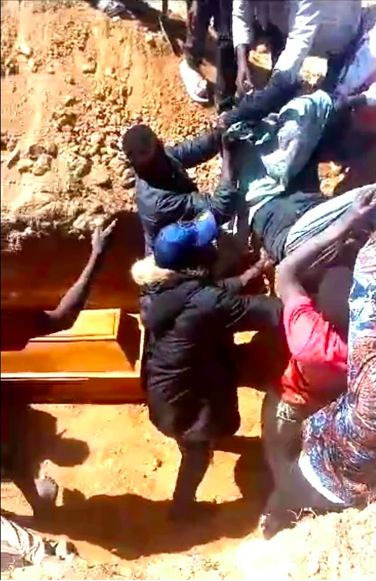
Attacks come primarily from Islamist terrorist groups such as Boko Haram and its offshoot ISWAP, as well as armed Fulani militants. These assaults frequently target rural Christian farming communities in the Middle Belt and northern regions: villages are razed, churches burned (with estimates exceeding 18,000–20,000 destroyed since 2009), pastors and priests murdered or kidnapped, and families slaughtered, often on Christian holidays like Christmas or Easter.
Hundreds of thousands have been displaced. While some describe the violence as resource-driven “farmer-herder clashes,” evidence from targeted killings of Christians, destruction of churches, and statements from perpetrators points strongly to religious motivation.
Since 2009, estimates of Christian deaths due to this persecution range from 50,000 to over 100,000, depending on the source. Nigeria consistently ranks among the worst places globally for Christians on the Open Doors World Watch List.
The Media’s Double Standard
What makes this crisis even more disturbing is the relative silence from much of the mainstream Western media. While conflicts involving other religious or ethnic groups often dominate headlines for weeks, the systematic targeting of Nigerian Christians receives sporadic, downplayed coverage—frequently reframed as generic “communal violence,” banditry, or climate-related disputes. This stands in stark contrast to extensive reporting on other global humanitarian issues.
Critics, including figures like Bill Maher, have highlighted this inconsistency: a perceived reluctance to criticize violence linked to radical Islam, combined with narratives that prioritize certain victim groups over others. When Christians—often Black Africans—are the primary victims of Islamist extremism, the story seems to fade. This selective outrage undermines journalism’s claim to objectivity and leaves millions feeling abandoned.
An Unlikely Voice: Nicki Minaj
In this landscape of silence, one of the few major celebrities to speak out forcefully has been rapper Nicki Minaj. At a 2025 UN event and in other public appearances, Minaj highlighted the burning of churches, the targeting of families, and the need to protect Christians in Nigeria. She praised efforts to address the issue and emphasized that it was about basic humanity, not division.
It’s somewhat bizarre: a Trinidadian-American hip-hop star known for provocative music and a massive global fanbase becoming one of the prominent mainstream voices on this niche (yet massive) human rights tragedy. Her Nigerian connections through fans and her pastor likely played a role, but her willingness to step into the spotlight when many A-listers avoid the topic underscores a broader failure by cultural elites. In an era where celebrity activism is common on fashionable causes, the relative absence of voices on persecuted Christians in places like Nigeria speaks volumes.
The persecution in Nigeria is not ancient history—it’s happening now, with devastating human cost. Greater awareness, accurate reporting, and international pressure are long overdue. Ignoring it doesn’t make the suffering disappear; it only enables the perpetrators.
– BrandX